Our Curriculum
Our curriculum is characterised by four essential features:
It is faith based. We invite students to learn about God and experience a school culture based on His care and the value He places on children and young people
It is intentionally academic. We ensure children and young people have every opportunity to be well qualified and able to pursue their aspirations beyond school.
It develops strong character. We ensure children and young people learn great work habits and become confident and capable people.
It is varied. We ensure students learn in culturally and geographically diverse contexts and provide opportunities in sport, culture and EOTC as we are able.
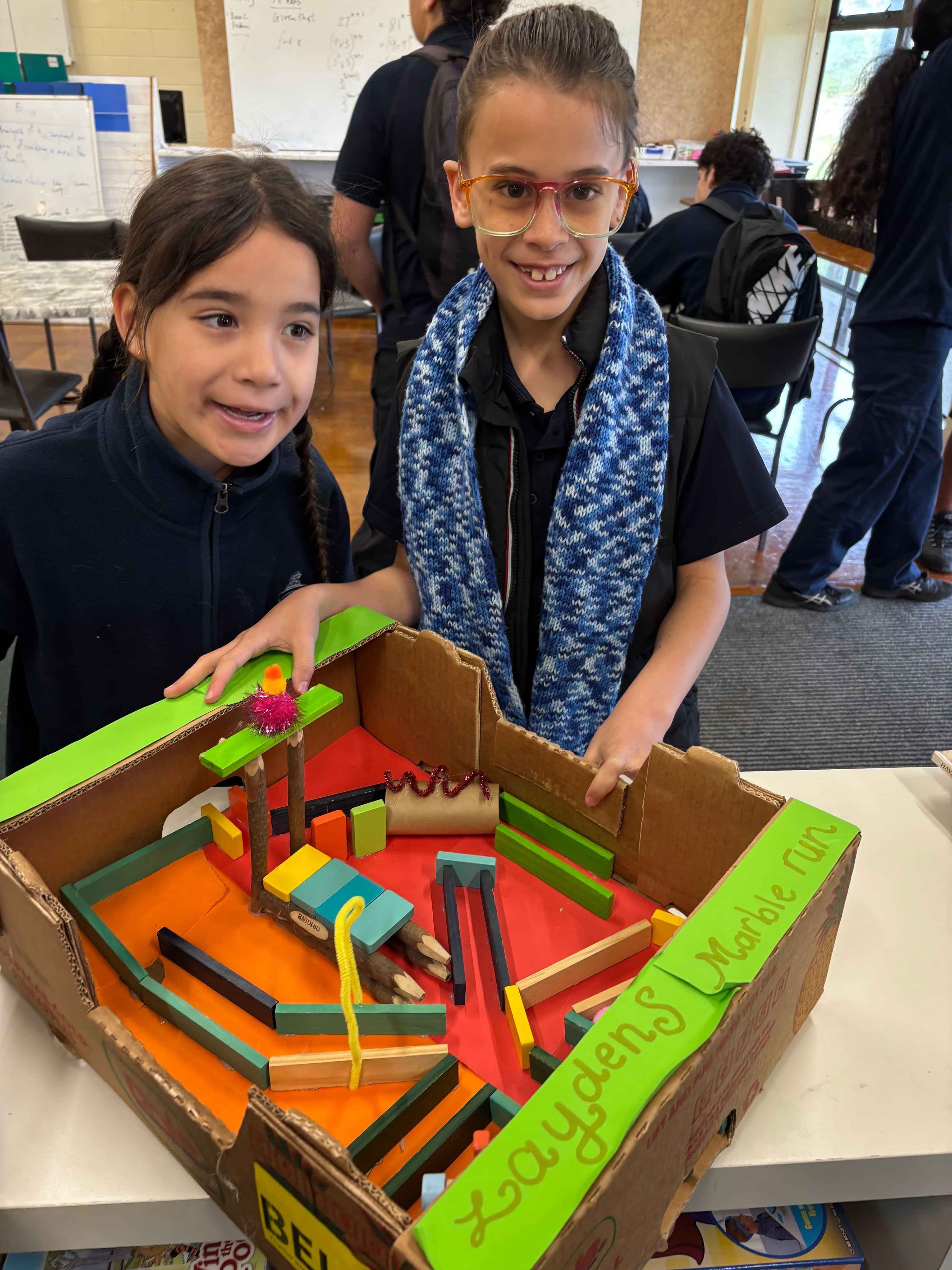
Primary Years 1-6
Students are intentionally grounded well in Bible, Numeracy, Literacy and Physical Education. They also learn Science and Social Studies, Te Reo Māori, Technology and the Arts, often in integrated units centered around topics of interest.
These topics are explored in projects that are completed at home and at school. Students in our primary classes are carefully and consistently coached and mentored in developing habits of learning, and the social and emotional skills needed to grow strong and confident as individuals and as a group.
Intermediate Years 7-8
Students continue to be intentionally taught the basic knowledge and skills needed in Bible, Literacy, English and Social Studies in a home room context where their progress can be carefully monitored. This means they still have the care and attention afforded primary classes. However, at this stage of their development students need to be exploring their future directions and experiencing greater breadth in their studies.
Accordingly, we ensure Year 7 and 8 students are taught Numeracy, Mathematics, Science, Physical Education and Languages (German and Te Reo Māori) by specialist teachers. Their curriculum also includes one of the technology subjects per term (Digital, Computing, Materials and Food) and one of the arts (Dance, Drama, Music and Visual Art) per term, thus providing a taste of the diversity to come.
Junior Secondary Years 9-10
Students start their day with a devotional reading of the Bible in their pastoral care class. This teacher monitors their progress overall. For the rest of the day students move from class to class where they are taught the core subjects of Mathematics, English, Social Studies, Science, Health and Physical Education by specialist teachers. Within these core subjects teachers work to ensure students gain the necessary credits in NCEA Numeracy and Literacy.
The remaining subjects, Languages, Technology and the Arts continue to be taught on a term-by-term rotational basis in Year Nine, thus ensuring all students experience a further taste of each. In Year Ten, students are given the opportunity to choose one language, two of the technologies and two of the arts, thus ensuring they provide themselves with a foundation for further specialization in the NCEA years ahead.
Senior Secondary Years 11-13
Students continue to start their day with a pastoral care teacher. From there they move from class to class working with specialist teachers as follows.
NCEA Level 1
Students study Mathematics, English, Science, Health and Physical Education as whole year compulsory core subjects for five lessons per week. Teachers ensure students who have not yet gained NCEA Literacy and Numeracy are prepared to do so within the studies undertaken in the core subjects. They then add Bible for two lessons and choose two optional subjects for three lessons from the Social Sciences (Commerce, Geography, History); Technology (Computing, Digital, Material and Food) and the Arts (Dance, Drama, Music and Visual Art). The goal is for all students to gain NCEA Level One and in the process become confident and skilled in managing the expectations of both internal and external assessments. Students take the examinations for experience even if they have gained sufficient credits from the internal assessments. This also allows them to aim for endorsement in their various subjects.
NCEA Level 2
Students study Mathematics and English as whole year compulsory core subjects for five lessons per week. They then add Bible for two lessons and choose four optional subjects for four lessons from the Sciences (Biology, Chemistry or Physics); the Social Sciences (Commerce, Geography, History); Health and Physical Education; Technology (Computing, Digital, Material and Food (Home Economics)) and the Arts (Dance, Drama, Music and Visual Art). The goal is for all students to gain NCEA Level Two as it is a prerequisite for many careers and opportunities for further training.
Teachers ensure students gain UE Literacy and have chosen subjects that will lead to the requirements for University Entrance in NCEA Level Three. Meanwhile, students who wish to study a pathway leading more directly to employment are offered courses of study in subjects such as Financial Literacy and Work and Study Skills. Opportunities for work experience are provided where possible.
NCEA Level 3
Students study English as whole year compulsory core subjects for five lessons per week. They then add Bible for two lessons and choose four or five optional subjects for four lessons from the Sciences (Biology, Chemistry or Physics); the Social Sciences (Commerce, Geography, History); Health and or Physical Education; Technology (Computing, Digital, Material and Food (Home Economics)) and the Arts (Dance, Drama, Music and Visual Art).
The goal is for all students to gain NCEA Level Three as it is a creditable finishing qualification for a student’s schooling. Teachers ensure students have chosen subjects that will lead to the requirements for University Entrance. Meanwhile, students who wish to study a pathway leading more directly to employment are offered courses of study in subjects such as Financial Literacy and Work and Study Skills. Opportunities for work experience are provided where possible.
Handy Links
Connect
Email us at:
admin@tumanako.school.nz
Facebook
Contact
24 Waipakakauri Rd, Waipapakauri, Awanui 0486
Phone: 02102226859
Office: Mon-Fri 9-4